
Key Takeaways
Tips for improving standardized test prep:
- Adopt Structured Study Plans: Organize your preparation with dedicated time for each test section to enhance focus and efficiency.
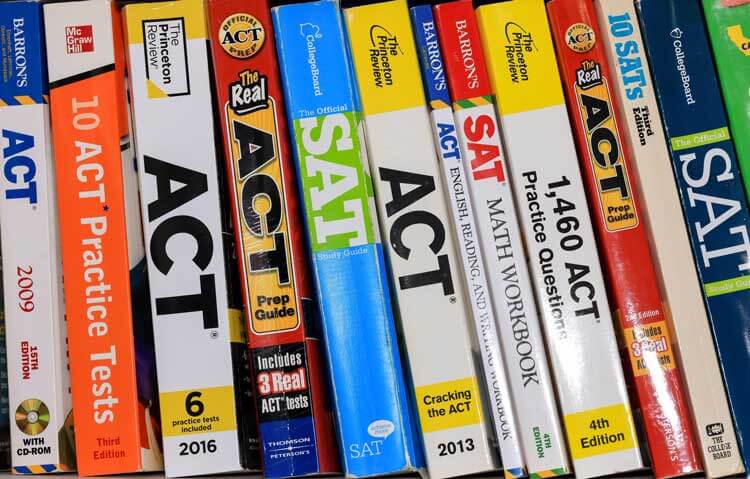
- Utilize Quality Resources: Rely on official ACT/SAT guides and trusted online tools to ensure relevant and effective practice.
- Practice Regularly with Feedback: Take full-length timed tests, analyze results, and target weak areas for improvement.
- Master Test-Taking Strategies: Learn techniques like elimination and time management to boost confidence and performance.
Check out our K-12 Online Private School.
Standardized tests like the ACT and SAT have long been a cornerstone of college admissions, and effective standardized test prep plays a crucial role in helping students demonstrate their academic readiness on a level playing field. These exams allow students to showcase their skills and knowledge in a standardized format, giving colleges a clear benchmark for comparing applicants. For many students, strong test scores can strengthen their applications and open doors to competitive programs and scholarships.
How COVID-19 Changed Testing Policies
The COVID-19 pandemic significantly disrupted standardized testing, highlighting the importance of flexible and adaptive standardized test prep strategies. Widespread cancellations of test dates forced many colleges to reevaluate their admissions requirements, leading to an increase in test-optional and test-blind policies.
- Test-Optional vs. Test-Blind Policies:
- Test-optional schools allow students to decide whether to include test scores with their applications.
- Test-blind schools, on the other hand, do not consider test scores at all, even if submitted.
Current Trends in College Admissions
As the world adapts to post-pandemic realities, colleges have taken diverse approaches:
- Reinstating Test Requirements: Institutions like Harvard, Yale, and Dartmouth now require test scores for admissions.
- Maintaining Test-Optional Policies: Universities like the University of California have chosen to stay test-optional or test-blind.
Staying Ahead of Policy Changes
Staying informed is key to navigating the ever-changing landscape of standardized testing. Regularly check official ACT and SAT websites for updates on test formats, registration deadlines, and policy changes to avoid surprises.
Additionally, keep an eye on the specific testing requirements of the colleges you’re considering, as these can vary and may impact your application strategy. Knowing whether tests are required, optional, or not considered ensures you’re well-prepared to make decisions and maximize your chances of success.
Debate Over Standardized Testing
Standardized testing has sparked an ongoing debate, with compelling arguments on both sides. Depending on the perspective, these exams are often viewed as both an opportunity and a challenge.
Proponents’ Perspective
Supporters of standardized tests believe these exams objectively measure student achievement. By offering a consistent evaluation, the ACT and SAT can help identify talented individuals, particularly those from under-resourced schools.
For students who might not have access to advanced coursework or other academic advantages, strong test scores can highlight their abilities and create a fair comparison across diverse applicant pools. This leveling effect can be a significant factor in helping capable students gain access to prestigious institutions and scholarship opportunities.
Critics’ Concerns
Conversely, critics argue that standardized testing often amplifies existing inequities in the education system. Students with access to private tutors, high-quality standardized test preparation courses, and other resources may have an advantage, leaving those without these supports at a disadvantage.
Furthermore, these exams may not fully capture students’ potential, focusing narrowly on test-taking skills rather than a more holistic view of their abilities. This concern has led many to question whether standardized tests reflect merit or perpetuate socio-economic disparities in admissions.
Steps to Excel in ACT and SAT Preparation
Preparing for the ACT and SAT doesn’t have to feel overwhelming. You can build confidence and improve your performance with the right approach and resources. Here’s how to make the most of your standardized test prep journey.
Start with the Right Resources
Investing in high-quality study materials is essential. Official ACT and SAT prep guides are an excellent starting point, offering content reviews and practice questions directly from the test creators. These resources ensure you study the most relevant material and understand the test structure. Complement these guides with reputable online platforms and apps for additional practice and interactive learning.
Plan Your Prep with Structure
A well-organized study plan can make all the difference. Allocate dedicated time slots for each test section—such as math, reading, and writing—to ensure balanced preparation. Consistency is key whether you prefer studying in the morning, evening, or even in shorter bursts throughout the day. A structured plan helps you stay on track and prevents last-minute cramming.
Practice Makes Perfect
Full-length, timed practice tests are invaluable tools for success. They help you get comfortable with the test format and build the stamina needed to perform well on test day. After each practice test, analyze your results carefully. Identify areas where you excel and focus on sections that need improvement. This focused approach saves time and boosts confidence.
Tackle Weak Areas with Targeted Practice
Once you’ve identified your weaker areas, dive into targeted practice. Whether it’s tricky math concepts or challenging reading comprehension passages, dedicating time to these specific topics can lead to significant improvements. Don’t hesitate to use additional resources, like video tutorials or one-on-one tutoring, for especially tough topics.
Learn Smart Test-Taking Strategies
Finally, mastering test-taking strategies can give you an edge. Techniques like elimination, time management, and educated guessing can help you work through tough questions efficiently. For example, if you’re stuck on a problem, eliminate wrong answers to improve your odds of guessing correctly. Staying calm and managing time wisely ensures you perform your best on test day.
Final Recommendations
Even in the era of test-optional policies, taking the ACT or SAT can still be smart. Many colleges that don’t require test scores may still consider them if submitted, and a strong score can make your application stand out.
To maximize your potential, invest in thorough standardized test prep—regular practice tests, a structured study plan, and proven test-taking strategies can make all the difference. For students seeking a comprehensive and flexible learning environment, l offers tailored resources to support your standardized test prep and academic success. By putting in the effort, you’ll boost your confidence and keep more opportunities open as you navigate the college admissions process.
